
Can You Have a Foot Injury Without Feeling It If You Have Diabetes?
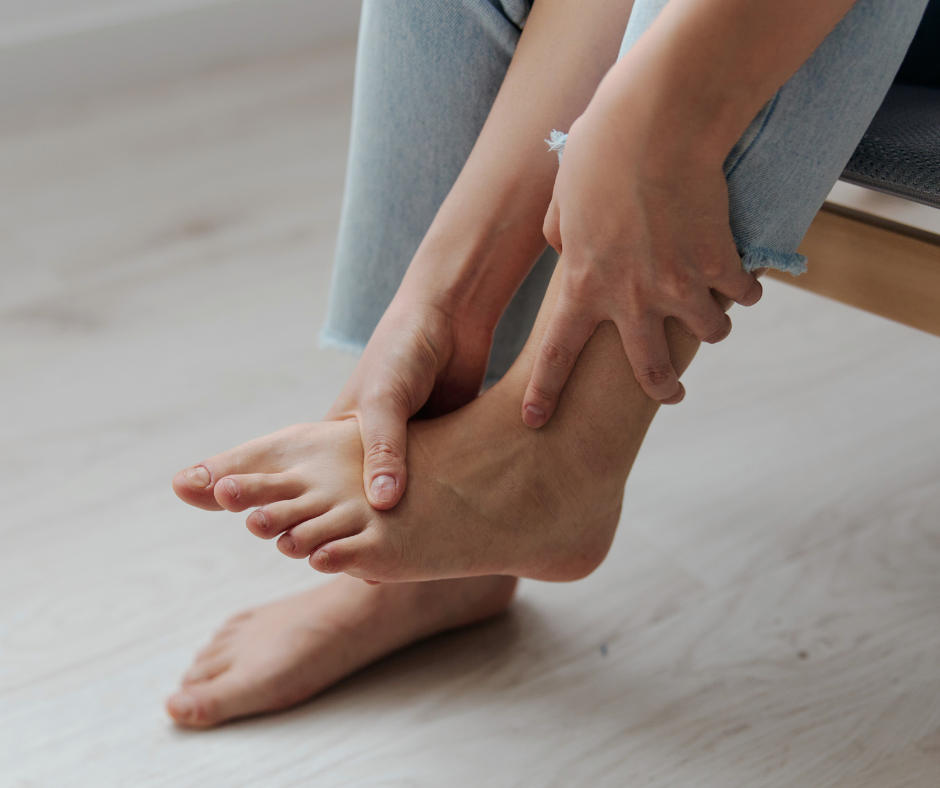
You kick off your work boots after a long shift or come inside from an afternoon on your Amarillo patio. Your feet don't hurt, so you assume everything is fine. But can you have a foot injury without feeling it if you have diabetes?
But what if a tiny pebble has been rubbing against your skin all day?
For someone with diabetes-related nerve damage, that pressure might go unnoticed until a blister or wound develops. November is National Diabetes Month, and Amarillo Foot Specialists wants you to understand why checking your shoes matters as much as checking your feet.
Why Might a Foot Injury Not Hurt When You Have Diabetes?
Pain usually warns you when a shoe pinches or something presses against your skin. But diabetes can damage the nerves that carry those signals.
This is called neuropathy. It can cause tingling, burning, numbness, or reduced sensitivity to pressure and temperature. Not everyone with diabetes develops neuropathy, but those who do may miss injuries that would normally hurt.
Imagine walking for hours with a folded sock seam pressing against your toe. Without reliable sensation, you might not notice the friction until it damages your skin.
A foot that doesn't hurt isn't necessarily a foot without injuries.
Why Can a Small Blister Become Serious?
Repeated rubbing can cause a blister or break the skin, creating an opening for bacteria. If you don't notice the injury, continued walking may make it worse.
Some people with diabetes also have peripheral arterial disease, which reduces blood flow to the feet. High blood sugar can interfere with the body's ability to fight infection.
These problems can make wounds harder to heal. Without treatment, an infection may spread into deeper tissue or bone. Serious complications are possible, but they aren't inevitable. Finding injuries early gives you a chance to address them before they worsen.
How Can You Prevent Foot Injuries from Your Shoes?
A short daily routine can help you spot problems you might not feel:
· Inspect your feet: Check your soles, heels, toes, and the spaces between them for blisters, cuts, redness, or swelling. Use a mirror if needed.
· Check inside your shoes: Feel for pebbles, rough seams, damaged lining, or bunched-up insoles before putting them on.
· Wear shoes that fit: Avoid tight work boots or footwear that rubs your skin. Choose clean socks that don't bunch up.
· Wash and dry carefully: Use lukewarm water and dry thoroughly, especially between your toes.
· Don't go barefoot: Protect your feet with suitable footwear, even indoors.
Check your skin after trying out new shoes, too. Recurring red marks can signal excess pressure, even if you feel no discomfort.
When Should You Call a Podiatrist About a Foot Injury?
If you find a cut or blister, rinse it gently with clean water, wash the surrounding skin with mild soap, cover it with a clean dressing, and avoid putting pressure on the area. Contact a healthcare professional promptly, especially if you have numbness or circulation problems.
Don't cut away calluses, try to fix an ingrown toenail yourself, or use medicated corn-removal pads without medical advice.
Get urgent medical attention for spreading redness, warmth, swelling, pus, fever, or blackened skin. A serious injury may not hurt.
At Amarillo Foot Specialists, diabetic foot care and wound care can help identify problems and guide treatment. Depending on your needs, custom orthotics or therapeutic footwear may help reduce pressure on vulnerable areas.
Your shoes should protect your feet, not hide an injury. Check them today.
Questions? Concerns? Contact Dr. Brandon Holloway and Dr. Archana Krishnan of Amarillo Foot Specialists, located in Amarillo, TX, at (806) 322-3338 today to schedule a consultation! We look forward to seeing you.