
Orthotics & Gait Analysis
Custom Orthotics vs. Store-Bought: Is "Good Enough" Actually Good Enough?
If you have foot pain, you have likely stood in the pharmacy aisle, staring at a wall of shoe inserts. There are gel pads, foam arches, and "custom fit" kiosks that promise relief for $50.
It is tempting to think, "This is good enough."
But if you are dealing with chronic issues like Plantar Fasciitis, knee pain, or flat feet, "good enough" cushioning often leads to long-term frustration. The difference between a store-bought insert and a custom orthotic isn't just price; it’s physics. In this blog, Amarillo Foot Specialists explains why understanding your Gait (how you walk) is the key to knowing what you need.
The "Eyeglasses" Analogy
· Think of store-bought inserts like the "cheater" reading glasses you buy at the drugstore.
· They magnify everything generically. They might help a little for a short time, but they aren't calibrated to your specific vision.
· Custom Orthotics are prescription lenses. They are engineered to the exact specifications of your foot's biomechanics to correct a specific flaw.
It Starts with Gait Analysis
You can't fix a problem you can't see.
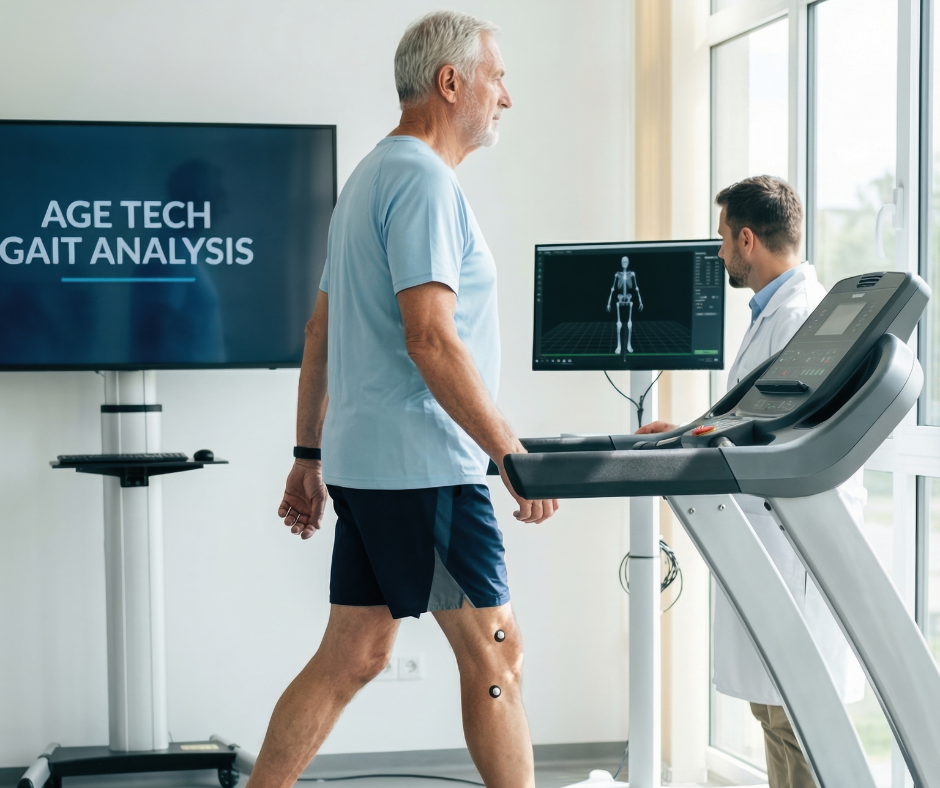
Before we prescribe anything, we perform a Gait Analysis.
What We Look For: We watch how your foot strikes the ground.
Does your ankle roll in (overpronation)? Does your high arch stay rigid (supination)? Does your heel strike too hard?
The "Kinetic Chain": We don't just look at your feet. We look at how your foot position affects your knees, hips, and lower back.
A collapsed arch often causes the knee to twist inward, leading to "Runner's Knee."
The Fabrication Difference: How It's Made
Store-bought inserts are mass-produced using soft foam and gels. They are designed to fit "everyone," which means they fit no one perfectly.
The Flaw: Soft materials compress. After a few weeks, that squishy gel isn't supporting your arch; it’s just taking up space in your shoe.
Custom Orthotics are fabricated from a precise 3D digital scan or physical mold of your foot held in its optimal, neutral position.
Material Science:
We use durable, medical-grade materials (like carbon fiber, polypropylene, or high-density EVA) that hold their shape under your body weight.
Correction, Not Just Cushion:
The device is engineered to physically block your foot from rolling too far. It acts as a scaffold, holding your bones in alignment so your muscles don't have to work overtime to stabilize you.
So, Are They Worth It?
If you are chasing a fitness goal, standing for 12 hours a day at work, or tired of recurring injuries, you need a structural solution. You wouldn't build a house on a crooked foundation; don't build your life on one either.
Stop guessing with your stride. Schedule a gait analysis today to see if custom biomechanical correction is the missing link in your recovery.
Questions? Concerns? Contact Dr. Brandon Holloway and Dr. Archana Krishnan of Amarillo Foot Specialists, located in Amarillo, TX, at (806) 322-3338 today to schedule a consultation! We look forward to seeing you.